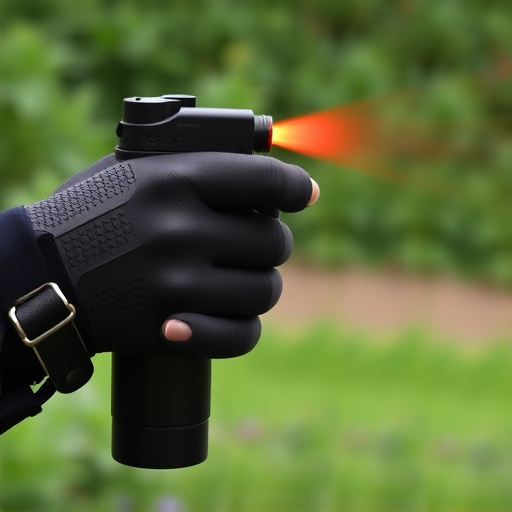
OC spray's effectiveness as a self-defense tool relies on its capsaicin concentration levels, with 1% to 2% typically providing sufficient deterrence. Higher concentrations (up to 10%) enhance protection by intensifying irritation. Balancing potency and controllability is crucial for optimal use. Capsaicin, the active ingredient in chili peppers, causes temporary blindness and pain when sprayed, making proper usage and understanding concentration levels essential. Global regulations strictly control OC spray's capsaicin levels to balance personal defense needs and health risks, with non-compliance carrying severe legal consequences.
“Discover the revolutionary power of capsicum as a personal protection device, commonly known as OC spray. This article explores the science behind this spicy active ingredient, delving into how its concentration levels directly impact device effectiveness. From understanding the benefits to navigating safety considerations and legal frameworks, we demystify capsaicin-based personal protection. Learn why these devices are gaining traction as a non-lethal self-defense option, especially in light of varying OC spray capsaicin concentration levels.”
- Understanding Capsaicin: The Active Ingredient in OC Spray
- How Capsaicin Concentration Levels Affect Device Effectiveness
- Benefits of Using a Capsaicin-Based Personal Protection Device
- Safety Considerations and Precautions When Using OC Spray
- Regulatory Framework and Legal Implications for Capsaicin Devices
Understanding Capsaicin: The Active Ingredient in OC Spray
Capsaicin, the active ingredient in OC spray, is a natural compound found in chili peppers that gives them their heat. When used in personal protection devices, capsaicin creates an effective and non-lethal deterrent by targeting the body’s pain receptors. This substance activates these receptors, leading to intense discomfort and momentary incapacitation. The effectiveness of OC spray lies in its capsaicin concentration levels, which can range from 1% to 2%. Higher concentrations result in more severe irritation, making it a powerful tool for self-defense against potential threats.
Understanding the mechanism behind capsaicin’s action is crucial. Once activated, the pain receptors send signals to the brain, triggering a response that causes the body to experience a burning sensation and temporary blindness. This reaction provides an individual with precious seconds to escape or seek help. The unique properties of capsaicin make it a game-changer in personal safety devices, offering a safe and legal way to deter attacks without causing permanent harm.
How Capsaicin Concentration Levels Affect Device Effectiveness
The effectiveness of a personal protection device, such as OC spray, heavily relies on its capsaicin concentration levels. Capsaicin, the active ingredient in chili peppers and pepper spray, creates a burning sensation when it comes into contact with the eyes, skin, or respiratory system. The potency of this irritation directly correlates with the amount of capsaicin present in the solution. Typically, OC (Oleoresin Capsicum) spray contains capsaicin concentrations ranging from 1% to 2%. While this concentration is sufficient for deterring potential threats, higher levels, such as those found in specialized law enforcement sprays (up to 10%), offer enhanced protection by increasing the intensity of irritation, thus making it more difficult for attackers to overcome the device’s effects.
When considering capsaicin concentration levels, it’s crucial to balance potency with controllability. Lower concentrations may provide a milder but still effective sting, allowing users to manage the spray’s impact without causing prolonged or excessive discomfort. In contrast, higher concentrations, while more powerful, can lead to faster reactions and longer-lasting effects, making them ideal for high-risk situations. Understanding these dynamics is essential in choosing the right OC spray for specific personal protection needs.
Benefits of Using a Capsaicin-Based Personal Protection Device
Using a capsacin-based personal protection device offers several advantages in enhancing individual safety. These devices, often referred to as OC spray or pepper spray, contain capsaicin, the active ingredient found in chili peppers, which provides a powerful non-lethal deterrent. The unique benefit lies in its ability to disable an aggressor temporarily through irritation and pain, allowing users to escape potentially dangerous situations.
The effectiveness of these devices is closely tied to their capsaicin concentration levels. Higher concentrations ensure greater impact, making it harder for attackers to withstand the irritant. This feature is particularly useful in self-defense scenarios, as it gives individuals a chance to regain control and seek help. Moreover, OC spray’s non-lethal nature ensures minimal harm to bystanders, making it a responsible choice for personal protection in various settings.
Safety Considerations and Precautions When Using OC Spray
When utilizing an OC spray, also known as oleoresin capsicum (OC) spray, safety should be a top priority. This pepper spray device delivers capsaicin, the active ingredient found in chili peppers, which can cause temporary blindness and severe pain when sprayed directly onto the eyes or skin. Understanding the capsaicin concentration levels is vital; higher concentrations of 10% or more can lead to longer-lasting effects and increased risk of adverse reactions.
Proper precautions include ensuring you are trained on how to use the spray effectively, as incorrect application may result in misdirection of the spray or incomplete activation. Always keep the spray in a secure, labeled container out of reach of children and unauthorized individuals. Testing the device periodically can help ensure its functionality. Additionally, be mindful of environmental factors; wind can affect the spray’s range and direction, while certain fabrics and materials may repel the capsaicin.
Regulatory Framework and Legal Implications for Capsaicin Devices
The regulatory landscape for personal protection devices incorporating capsaicin, such as OC spray, varies across jurisdictions, reflecting differing societal and legal perspectives on self-defence. In many regions, these devices are classified as firearms or less-lethal options, subject to strict regulations designed to ensure public safety and prevent misuse. Authorities carefully regulate the capsaicin concentration levels in OC spray, setting maximum permissible amounts to balance the need for effective personal defence with potential health risks.
Legal implications for manufacturers, distributors, and users of capsaicin-based devices are significant. Compliance with regulations regarding capsaicin concentration levels, labelling requirements, and safety testing is paramount to avoid legal repercussions. Non-compliance can lead to product recalls, civil lawsuits, and criminal charges, underscoring the importance of adhering to a robust regulatory framework that governs these personal protection tools.
OC spray, powered by capsaicin, offers a potent personal protection solution. Understanding the active ingredient’s concentration levels is key to ensuring its effectiveness. The benefits of capsaicin-based devices are well documented, providing non-lethal force as an alternative to traditional weapons. However, safety precautions must be prioritized, and users should be aware of legal implications. With proper regulation, OC spray can continue to serve as a valuable tool for personal protection, empowering individuals to defend themselves with confidence.